Signal over — noise.
I turn enterprise technical chaos into systems that work — and explain exactly why they work to the people writing the checks.
Cut through the complexity →I don't just modernize broken systems. I rebuild what should've been there from the beginning.
Before & after.
The Reality
Inherited-
01
8+ hoursmonthly downtime
-
02
$33K / morunaway aws spend
-
03
2 weeksdeployment cycles
-
04
Manualscaling interventions
-
05
Duct tapeinfra held together by
The Result
Delivered-
01
99.9%uptime SLA
-
02
$7K / mooptimized · ~43% down
-
03
Same dayreleases · pipelined
-
04
Auto-scaleevent-driven architecture
-
05
Clean shapesystems that hold
Pick what's on fire.
-
01
Cloud cleanup
Re-architecting bloated AWS & GovCloud setups that drain your budget without delivering the resilience you paid for.
-
02
Legacy liberation
Migrating off broken monoliths that crash, don't scale, and own you. Strangler patterns, event-driven decomposition, real exit paths.
-
03
Event architecture
Real-time event-driven systems for operations that can't wait for batch. Kafka, CDC, outbox, idempotency, the works.
-
04
Spaghetti cleanup
Turning enterprise technical chaos into minimal, scalable, observable systems. Less code that does more.
-
05
AI that works
Custom LLM tools wired into real workflows — not another dashboard nobody opens twice. Eval-driven, scoped, deployed.
-
06
Executive translation
Technical briefings that skip the jargon and focus on outcomes. Board decks, decisions, dollar signs.
-
07
Operational AI
Building intelligence into ops — not bolted on as a plugin. Agents, automations, copilots inside the system that runs the business.
-
08
Data streaming
Real-time data flows that handle millions of transactions without dropping signal. Snowflake, Kafka, Flink — the right tool in the right seam.
Two decades. A few projects.
-
2024 — 2025
GovCloud migration rescue.
Took over a failing AWS/GovCloud transition mid-flight. Cut monthly spend by 43% while restoring uptime guarantees and re-aligning the compliance posture.
-
2022 — 2024
USPTO patent metadata rewrite.
Rebuilt a 1M+ line legacy stack for patent metadata into an event-driven architecture on Snowflake and Kafka. Cleared the batch window. Replaced nightly with now.
-
2023
Offline LLM field tools.
Deployed an offline LLM interface to assist field operatives with real-time query, briefing, and compliance scenarios — no connectivity assumed.
-
2018 — 2021
Big-data infrastructure at Xaxis.
Came in when their critical big-data systems wouldn't hold. Stabilized ingestion, untangled batch + stream contention, restored confidence at the SVP layer.
-
2011 — 2017
Wireless network architecture.
Across i-wireless, YourTel, and TerraCom: physical + virtual server architectures, mobile app delivery, carrier-grade ops. The go-to fix-it call for years.
Fortune 500 companies, federal agencies, and technology leaders who needed it to actually work.
Enterprise technology.
Global telecommunications carriers, retail technology platforms, and data infrastructure companies operating at scale.
Federal agencies.
Federal departments, patent offices, and mission-critical government systems — including USPTO, DHS, DOE, DOJ programs.
Technology leaders.
Cloud platforms (AWS), data analytics (Snowflake), and enterprise software companies who needed the seams sewn shut.
When enterprise leaders need systems that actually work, they call Mansour.
The people who hired me.
-
“
When we had critical issues with our big data infrastructure, Rami stepped in and solved what others couldn't. His dedication to getting complex systems working properly is exactly what you want in a senior technical consultant.
Christopher Chatterton SVP Global Technical Operations
Xaxis -
“
I worked with Rami on multiple projects over the years — from mobile app development to network architecture with physical and virtual servers. His creative problem-solving skills and technical breadth consistently delivered results.
Andy Beckman VP Operations
i-wireless -
“
I've known Rami since 2011 across multiple wireless companies. He consistently delivers cutting-edge solutions to complex problems with a strong aptitude for practical implementation. He's my go-to consultant for challenging technical matters.
Dale R. Schmick COO
YourTel America & TerraCom
Notes from the field.
The future of enterprise architecture.
A deep dive into how AI and event-driven architecture are reshaping enterprise systems. The patterns that will dominate the next decade — and the ones that need to die.
Read essay→Why monoliths fail.
The breaking points of legacy architecture, and how to avoid the traps that own most enterprises.
Read→Event-driven benefits.
How real-time data streams unlock operational efficiency. Case studies and implementation patterns for modern systems.
Read→Cost-optimizing AWS.
Strategies to cut cloud spend without sacrificing performance. Real-world examples of 40%+ cost reductions.
Read→About Mansour.
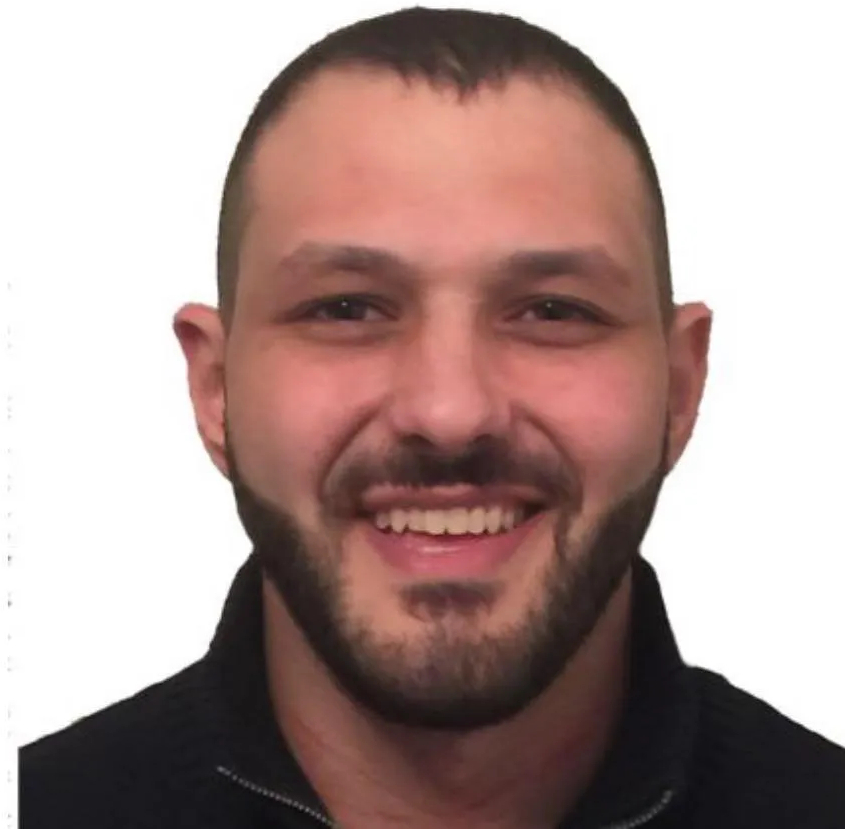
Twenty years inside systems that don't scale — government platforms, enterprise stacks, startup prototypes held together with duct tape.
I don't just modernize them. I rebuild what should've been there from the beginning.
Mansour Systems is my platform for signal-driven architecture: clean systems that align with how people actually work, not just how they were specced. I bring deep technical clarity, emotional insight on the org side, and zero tolerance for bloat.
You get scalable results. And a system that holds.
Send a message that matters.
No scheduling tools. No lead funnels. No discovery call about a discovery call. If your stack is on fire, or your next one shouldn't be — write.